
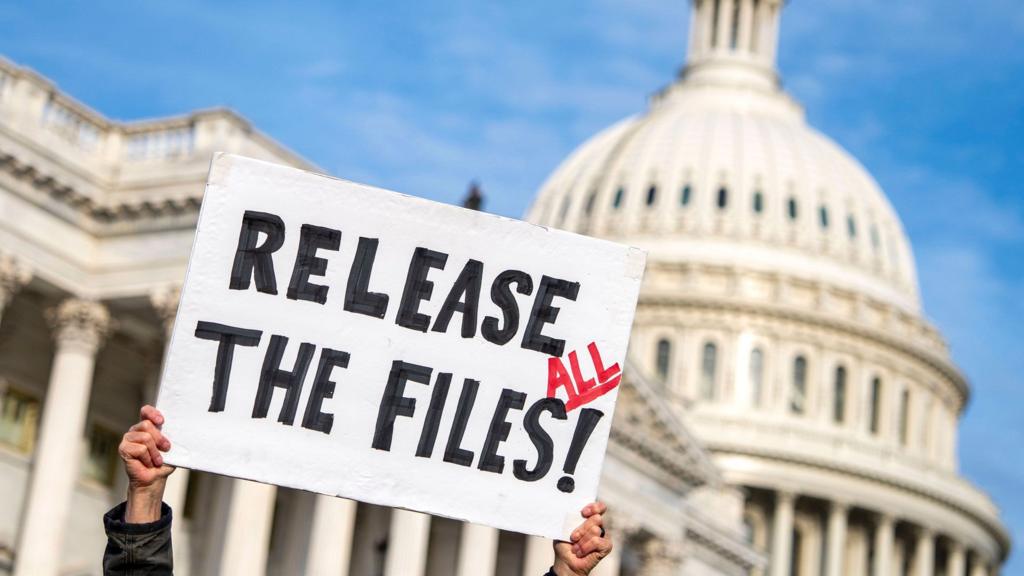

Clay Higgins Faces Backlash Over Epstein Files Vote as House Passes Bill 427-1
WASHINGTON, D.C. — In a near-unanimous House vote on November 18, 2025, the U.S. House of Representatives approved legislation compelling the U.S. Department of Justice (DOJ) to release all unclassified case files related to convicted sex offender Jeffrey Epstein. The final tally was 427-1. The singular dissenting vote came from Clay Higgins (R-La.), making him the only member of Congress to oppose the measure.
What the Epstein Files Vote Means
The bill, often referred to as the Epstein files transparency effort, directs the DOJ to release all unclassified records, communications and investigative materials relating to Jeffrey Epstein within 30 days of the bill becoming law. It reflects bipartisan pressure to shed light on the once-secret investigations and oversight surrounding Epstein’s crimes and network.
Supporters of the bill hailed it as a landmark moment for accountability. Survivors of Epstein’s trafficking network were seated in the gallery during the vote and applauded as the measure passed.
Why Clay Higgins Voted “No” on Epstein Files
Rep. Clay Higgins issued a statement explaining his decision to vote “no”, citing concerns that the bill in its current form jeopardizes the privacy and safety of innocent individuals, such as witnesses, family members and law-abiding citizens not charged with wrongdoing. He argued the legislation “abandons 250 years of criminal justice procedure in America.”
Despite previously co-chairing a subcommittee investigating Epstein’s files, Higgins asserted he could support the bill if amended to provide stronger protections for non-implicated individuals and victims.

The Political Fallout for Rep. Clay Higgins
Because the vote was virtually unanimous, Higgins now stands out as the lone opponent. His position has ignited criticism from both sides of the aisle, with some accusing him of siding with secrecy over survivors’ demands for transparency.
At the same time, Higgins defended his stance as principled rather than partisan—a claim that may reshape his relationship with conservative allies and his own constituents in Louisiana’s 3rd Congressional District.
What’s Next: Epstein Files Vote Heads to Senate
With the House vote complete, the bill now moves to the Senate, where it faces next steps for passage and eventual signing by Donald Trump. Senate leaders have indicated they expect to act quickly, though amendments remain possible—particularly relating to privacy and procedural safeguards highlighted by Higgins.

