
Tatiana Schlossberg’s Diagnosis: Terminal AML and a Rare Mutation
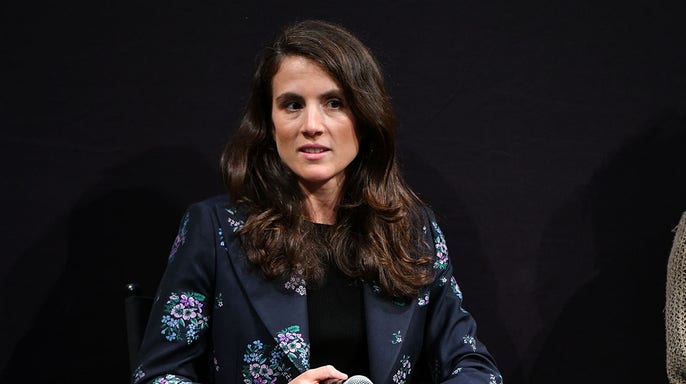
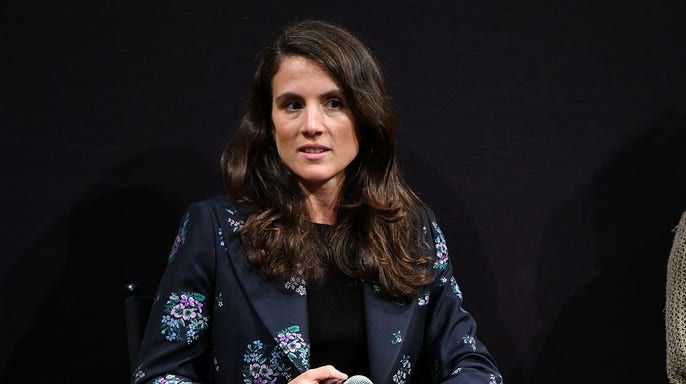
Tatiana Schlossberg, the 35-year-old daughter of Caroline Kennedy, has publicly revealed she is battling terminal acute myeloid leukemia (AML). In a deeply personal essay published in The New Yorker, Schlossberg disclosed that she was diagnosed shortly after giving birth to her second child in May 2024, when doctors found an alarmingly high white-blood-cell count.
Medical testing revealed she carries a rare mutation known as Inversion 3—typically found in much older patients—and standard therapies were deemed insufficient. She has undergone multiple rounds of chemotherapy, stem-cell transplants (one from her sister, another from an unrelated donor), and a CAR-T cell therapy trial. Her doctors estimate less than a year to live.
Caroline Kennedy’s Daughter Speaks Out: A Family Confronts Tragedy
As the daughter of former U.S. Ambassador Caroline Kennedy, Tatiana Schlossberg’s news has reverberated through both the public sphere and the private grief of her family. Caroline Kennedy, a prominent figure in diplomacy and public life, now faces the heartbreaking reality of her daughter’s condition.
In her essay, Schlossberg wrote about the impact on her children, her husband George Moran, and her parents—including the pain of leaving memories behind.
Why This Story Resonates: The Rare Mutation, The Family Legacy
Acute myeloid leukemia is aggressive, and with the identified mutation (Inversion 3), Schlossberg’s prognosis is extremely serious.
The diagnosis at age 34—mere months after childbirth—reflects how life-altering cancer can strike unexpectedly, even in individuals previously healthy and active.
The high-profile Kennedy nexus amplifies attention and empathy, underlining how personal health crises don’t spare public figures.
What Tatiana Schlossberg’s Disclosure Could Spark
Increased public understanding of AML, rare leukemia mutations, and the urgency of funding for experimental therapies.
Advocacy from her and her family around cancer research, stem-cell donations and immunotherapy trials.
Potential policy conversations about healthcare access, innovative treatments, and how rare-mutation cases are managed.

