
All Eyes on FIFA World Cup 2026: Groups Revealed, What to Know About Schedule & Tickets
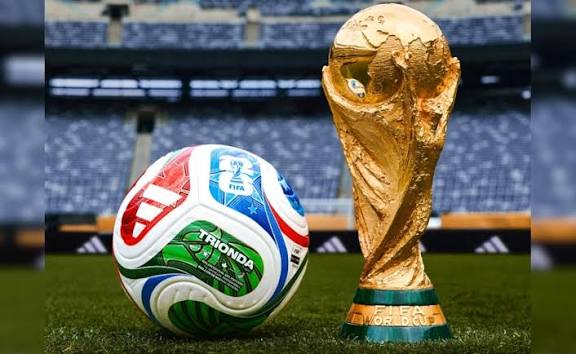
The draw for the 2026 FIFA World Cup has concluded — and with 48 teams confirmed to compete, football fans now have the first glimpse of group line-ups and a clear pathway to one of the sport’s biggest spectacles ever.
🌍 World Cup 2026 Groups — How the Teams Are Lined Up
The 2026 tournament features 12 groups (A to L), each with four teams.
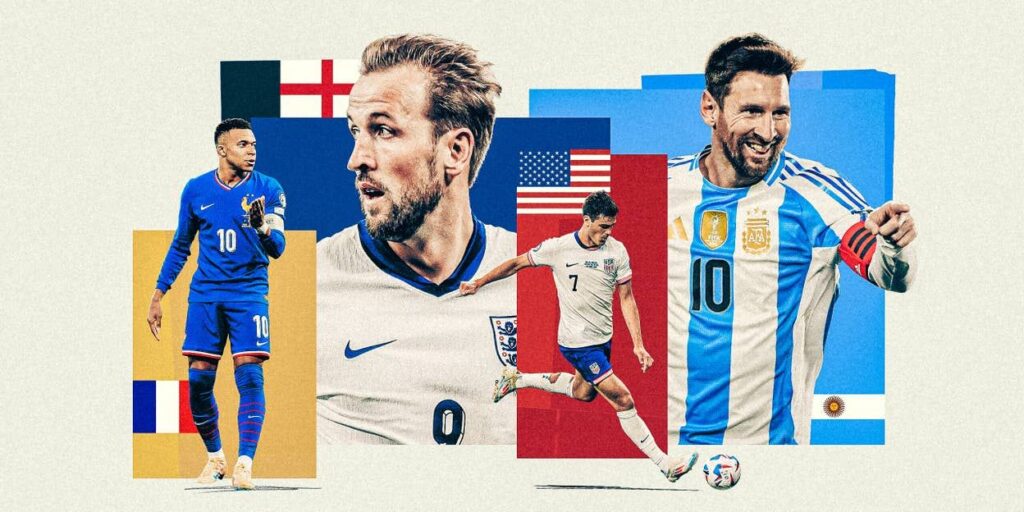
Co-host nations were pre-assigned: United States men’s national soccer team in Group D, Mexico national football team in Group A, and Canada men’s national soccer team in Group B.
Some notable group placements:
Brazil national football team lands in Group C along with Morocco, Scotland, and Haiti.
Group D sees the US matched against Australia, Paraguay, and a playoff-winner — a group shaping up as one of the more manageable draws for a co-host nation.
🗓️ World Cup Schedule & Format — What to Expect
The 2026 World Cup will run from June 11 to July 19, 2026.
With the expansion to 48 teams, the tournament will employ a new format: 12 groups of four, followed by a Round of 32, then Round of 16, Quarterfinals, Semifinals, Third-place match, and Final.
The host cities span across the co-host nations — the US, Mexico and Canada — making the World Cup geographically wide and accessible.
🎟️ Tickets & What Fans Should Know
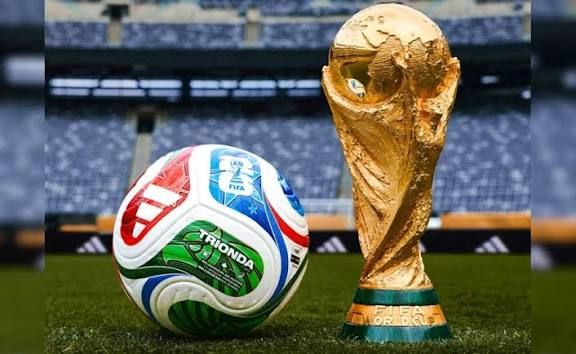
As the group draw wraps, official ticket sale windows and allocation details are expected soon. Historically, official tickets are released via the governing body’s portal and tie with passports/nationalities for allocation.
Because the 2026 tournament covers three countries and 16 stadiums, fans planning to attend should monitor the official site for ticket-release dates, venue assignments and travel logistics.
Given the global demand, early registration of interest is encouraged to get the best chance for group-stage matches, knockout rounds, or marquee fixtures with top teams like Brazil, Germany, or Spain.
🔎 What This Draw Means — Key Takeaways for Fans & Football Community
The expanded 48-team format offers greater inclusivity, giving more nations — and fans — a shot at the world’s biggest stage.
Balanced draw: While traditional powers are spread across groups, no group seems overloaded — giving underdog teams a fair shot at advancing beyond group stage.
Excitement & accessibility: With games spread across North America, fans now have more choices for venues, increasing the chance for global fan attendance and a massive global audience.
New schedule dynamics: The Round of 32 format adds more knockout-round intrigue, and more matches mean more opportunities for upsets and unexpected runs — perfect for fans and underdog supporters alike.

