
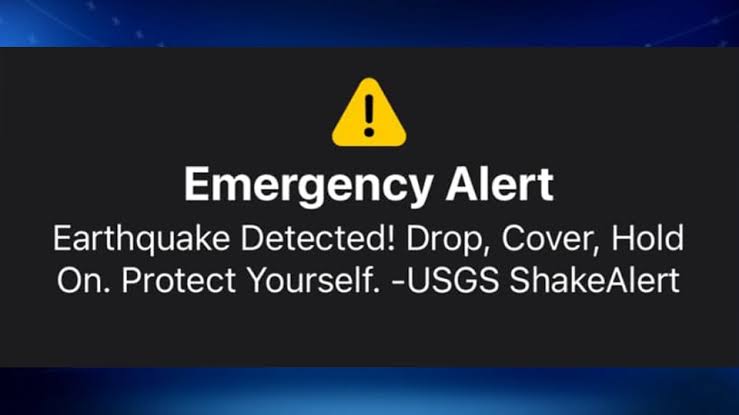
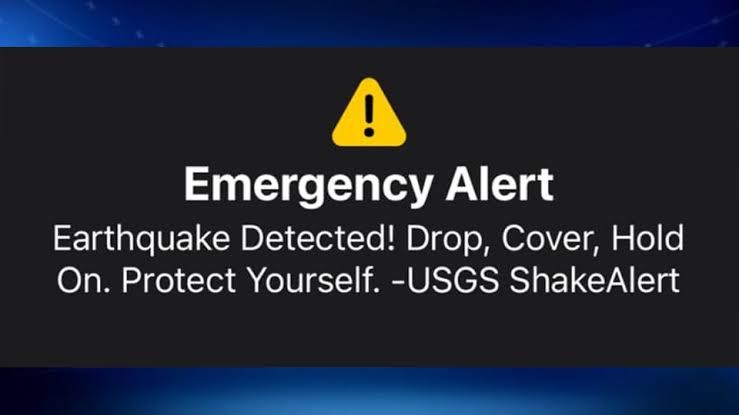
⚠️ What Happened — False Earthquake Alert Rocks Social Media and Phones
Early on December 4, 2025, thousands of residents across California and Nevada received a startling alert from U.S. Geological Survey (USGS) — warning of a magnitude 5.9 earthquake near Dayton / Carson City, Nevada. The alert triggered widespread panic, with many people searching “earthquake near me” and “earthquake today” to understand what was happening.
But within minutes, the USGS removed the alert — and later confirmed that no earthquake occurred. The warning was identified as a false detection by the automatic quake-alert system managed by USGS.
🔍 Investigation Underway — What Officials Are Saying
The alert was issued at approximately 8:06 a.m. local time and retracted around 8:23 a.m. after the system showed no real seismic activity.
Scientists at the Berkeley Seismological Laboratory and USGS are investigating — they describe the event as “unprecedented,” since the alert-system has correctly identified real earthquakes over 170 times since 2019.
Local authorities in Nevada did not detect any shaking or reports of damage, and residents confirmed: “nothing felt” on the ground.
🌐 Why This Matters — The Dangers of False Earthquake Alerts & What “Earthquake Today” Searches Reveal
1. Public Panic & Confidence in Early-Warning Systems
False alerts like this one can cause undue panic, disrupt daily life and shake public trust in early-warning tools meant to save lives. Many people who searched “earthquake today” turned to social media, local news, or emergency services before confirmation.
2. Need for Better Alert-System Oversight
Experts say this incident shows even advanced automatic detection systems — like USGS’s ShakeAlert — are not foolproof. The USGS has committed to a full review of the glitch.
3. Tips for Citizens: Stay Alert — But Verify Before Panic
If you receive an earthquake alert — check multiple official sources first (USGS site, local seismology labs, local government alerts).
Avoid mass sharing of unverified alerts on social media — this can fuel misinformation and cause unnecessary alarm.
Keep basic emergency readiness in mind, but avoid overreacting until tremor is confirmed by experts.
✅ Key Takeaways
The December 4 earthquake alert was a false alarm — no seismic activity occurred in Nevada or surrounding regions.
The glitch originated in the USGS automatic detection system, and officials are now investigating.
For now — treat the alert as a reminder: early-warning systems help, but they’re not infallible. Always verify before sharing or reacting.

