
Dell Donation in Spotlight — What It Means for Trump Accounts & American Children
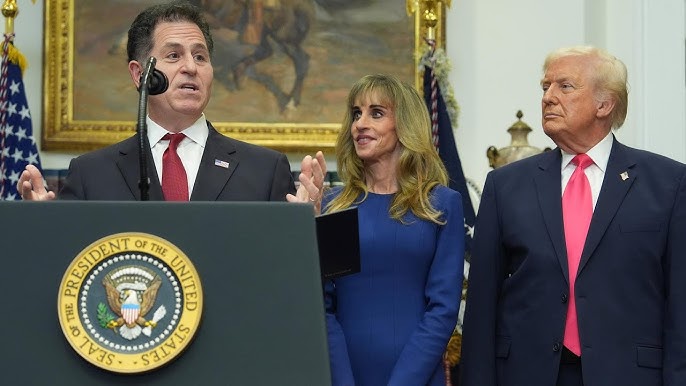
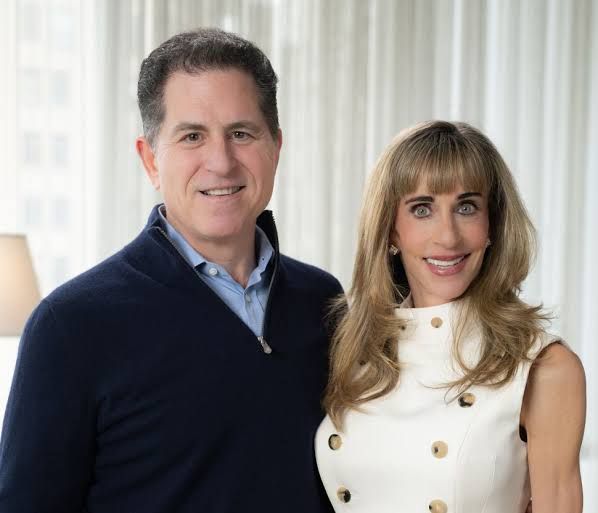
Billionaires Michael Dell and Susan Dell have committed a landmark $6.25 billion to seed “Trump Accounts” — a newly established government-backed savings scheme under the Trump administration — offering $250 each to 25 million American children under age 10.
These accounts, created by the 2025 legislative package, aim to give children a financial head-start that grows via market investments, usable when they turn 18 for education, housing, or entrepreneurship.
📈 What Trump Accounts Are — Structure, Scope & How Dells Fit In
Under the program, every child born between Jan 1, 2025 to Dec 31, 2028 receives a $1,000 government seed deposit in a Trump Account.
The Dell donation expands coverage: for children under 10 who missed that birth-date window — especially in lower-to-middle income ZIP codes — the extra $250 unlocks access to the same benefits.
Accounts are designed to invest in low-cost stock index funds and remain tax-advantaged until withdrawal at age 18. Parents, employers or charities can add contributions (up to $5,000/year).
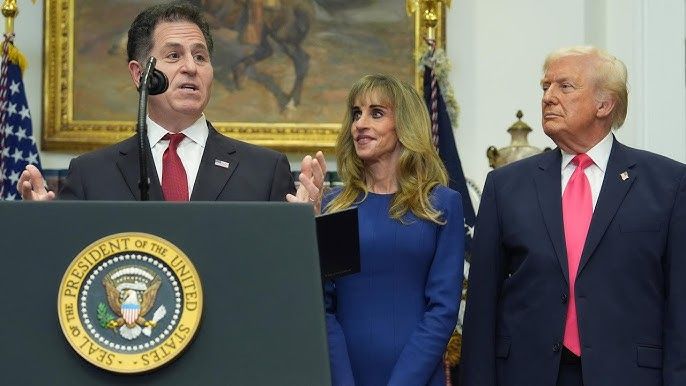
At a White House event, President Trump called the Dells’ contribution “one of the most generous acts in the history of our country.”
🎯 Why This Matters — From Opportunity to Debate
✅ Potential Benefits for Millions of Families
The program creates a universal savings base for children — a financial foundation many families previously couldn’t offer.
With the Dells’ gift, the Trump Accounts now cover a broader swath of children, expanding access beyond newborns to older children too.
As funds grow over time, beneficiaries may use them for education, first homes, or starting businesses — potentially narrowing wealth/gap across generations.
⚠️ Criticism & Questions About Efficacy
Some experts question whether $250 (plus the $1,000 federal deposit for newborns) will be enough to meaningfully impact long-term wealth building, especially given market volatility.
Critics also point out that these accounts alone don’t address deeper issues like child poverty, affordable housing, or access to quality education — elements still impacted by cuts elsewhere.
Eligibility is also tied to ZIP-code income thresholds and age — meaning not all children will qualify, which some argue could leave out needy families.
🔎 What to Watch Next — Implementation, Uptake & Long-Term Impact
Launch Date: Trump Accounts—including Dell-seeded funds—are slated to begin on July 4, 2026. Guardians will need to enroll children to activate benefits.
Public & Private Participation: The Dells urged other philanthropists and companies to contribute — their gift may set a model, but broader participation will determine overall impact.
Monitoring Outcomes: As children grow, how effectively these savings translate into education, homeownership or entrepreneurship will shape whether Trump Accounts deliver on their promise.

