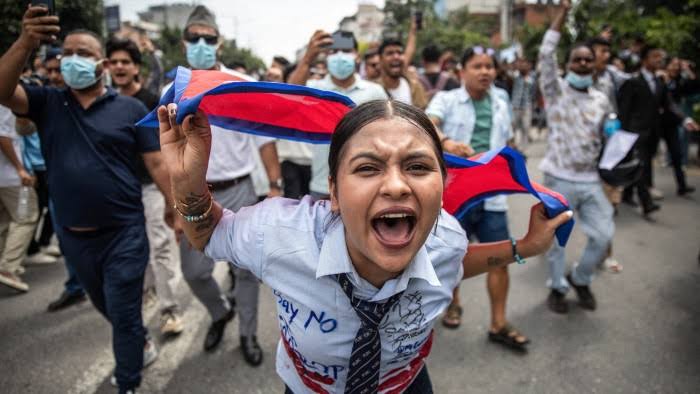
Kathmandu, September 9, 2025 — Nepal finds itself at a pivotal crossroads as Gen Z protesters defy a lifted social media ban to continue demanding accountability, transparency, and systemic change. This unprecedented wave of dissent, sparked by both digital censorship and entrenched corruption, has emerged as a defining moment in the country’s political narrative.
The Ban is Lifted — But the Movement Surges On
After triggering widespread youth-led protests, the Nepalese government has officially rescinded its ban on 26 major social media platforms—including Facebook, Instagram, YouTube, and X—younger citizens’ primary channels of expression and organization. The decision came amid escalating street demonstrations that left 19 dead and hundreds injured in clashes with security forces.
Despite this concession, the protests—now deeply rooted in broader demands for change—persist with the same intensity. The youngest generation of Nepalis continues to call for accountability and systemic reform, refusing to be placated by partial measures.
Gen Z Stands Against Corruption and Censorship
The protests were initially ignited by the sweeping censorship of key platforms under new regulation. For many young Nepalese, the ban was not just a restriction of speech—it was a symbol of broader misgovernance.
Stirring public fury, a viral social media campaign spotlighted entitled lifestyles of political elites through the hashtag #NepoKids, accusing them of profiteering from corruption while average citizens struggle. The context struck a chord nationally, fueling explosive mobilization across campuses, streets, and online spaces.
From Digital Movements to Real-world Uprising
When social media platforms were blocked, activists quickly pivoted—using TikTok, VPNs, and creative campaigns to organize mass street protests. Demonstrators stormed the streets of Kathmandu, rallying under slogans like “Shut down corruption, not social media.”
Facing brutality from authorities—tear gas, rubber bullets, and water cannons—protesters stood firm. In response, the government imposed curfews and deployed the army to restore order.
The Symbolism of the Straw Hat Pirates
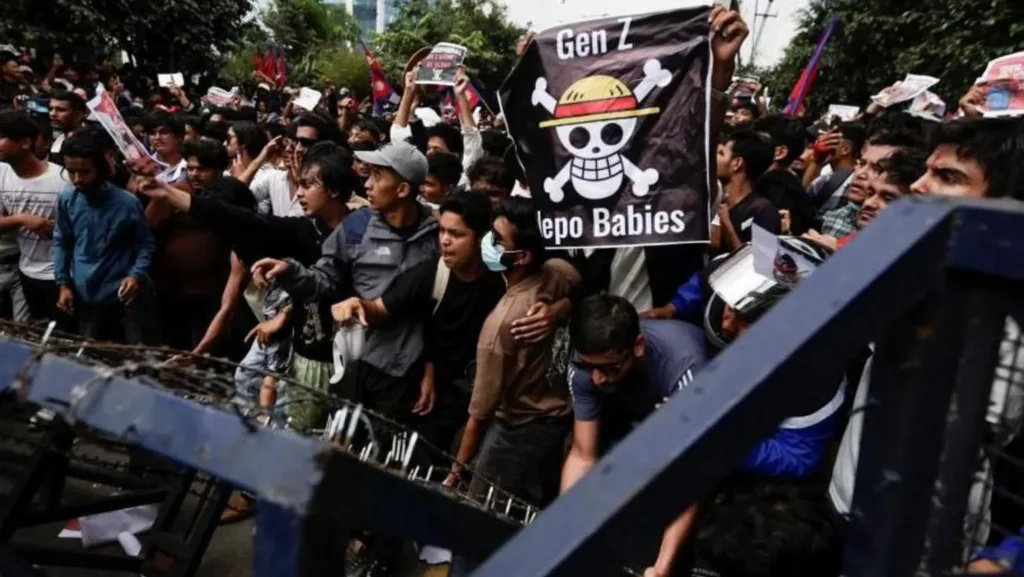
One unexpected yet powerful cultural icon emerged from the uprising: the Straw Hat Pirates flag from the anime One Piece. The symbol of rebellion, freedom, and unity has become the visual identity of the movement—a rallying banner across Kathmandu.
Political Fallout and Future Demands
Leadership shifts have already begun: the Home Minister resigned, and Prime Minister K.P. Sharma Oli has promised an investigation into the violent clashes and compensation for the victims’ families.
Yet, as Gen Z continues to call for deeper, structural change, many are asking: will the ripple of this protest become a wave of genuine reform?
Key Insights at a Glance
Issue Details
Ban Lifted Social media restrictions removed—but protests endure.
Death Toll At least 19 killed, hundreds injured amid mass unrest.
Gen Z Driving Force Progressive, digitally savvy youth leading the charge.
Anti-Nepotism Trend “Nepo Kid” campaign energized anti-corruption sentiment.
Cultural Symbolism One Piece’s Straw Hat Pirates flag has become a protest emblem.
Political Repercussions Minister resignations and promises of inquiry—momentous but not enough.
The protests in Nepal signal more than a fleeting outcry—they represent a generation’s unwavering demand for justice, transparency, and freedom. As the country grapples with this tumultuous moment, the world watches: will this movement catalyze long-awaited change, or be another voice lost in the corridors of power?