
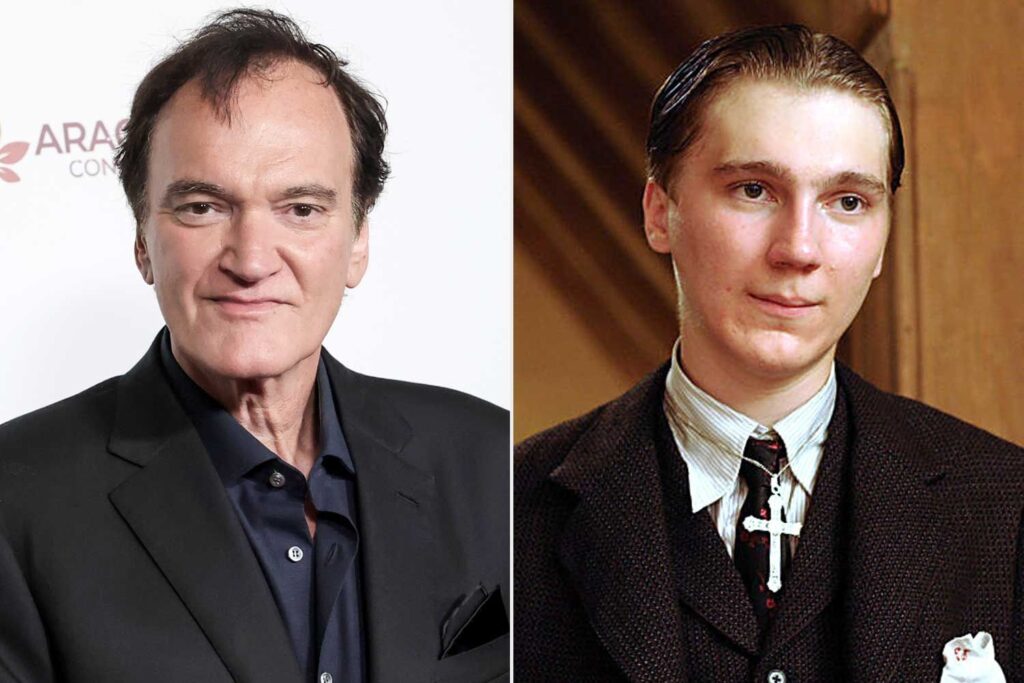
🎬 The Controversy: Tarantino Criticizes Paul Dano’s Role in There Will Be Blood
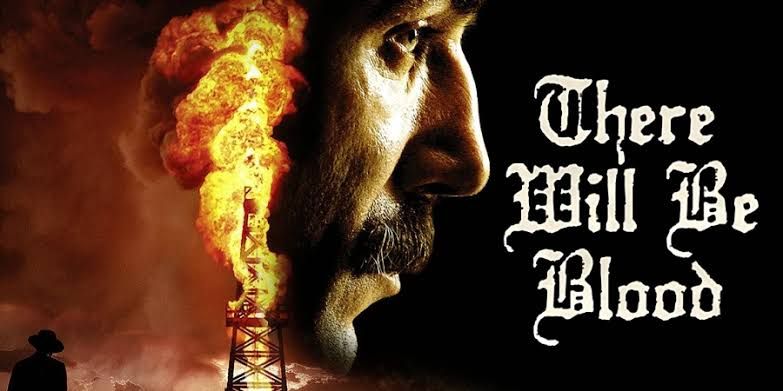
In a striking and widely-publicized recent interview, Quentin Tarantino called out Paul Dano’s performance in the 2007 film There Will Be Blood, labeling it a “big, giant flaw” in what he otherwise ranks among the best films of the 21st century.
During an appearance on The Bret Easton Ellis Podcast, Tarantino argued the film “would stand a better chance to be number 1 or number 2” on his list if not for Dano’s acting, calling him “weak sauce,” “the weakest male actor in SAG,” and even going as far as to say Dano was “a weak sister.”
Tarantino suggested that someone like Austin Butler — despite being a teenager when the film was released — might have delivered a stronger performance in Dano’s place.
📌 Why It Matters: Legacy, Respect — and the Stakes for Once Upon a Time in Hollywood Fans
The Impact on There Will Be Blood’s Acclaimed Status
There Will Be Blood remains widely regarded as a masterpiece. It is frequently named among the greatest films of the 21st century by critics and filmmakers alike.
Dano’s portrayal of twin brothers (Paul and Eli Sunday) is often credited with giving the movie emotional depth and complexity — a contrast and foil to Daniel Day-Lewis’s powerhouse performance.
Tarantino’s public condemnation risks igniting fresh debates about acting, casting, and how we evaluate “great” performances — especially when compared to other actors and eras.
Fallout in Hollywood — Supporters Rally, Critics Push Back
Shortly after Tarantino’s comments went public, social media and entertainment-industry outlets erupted. Many defended Paul Dano, pointing to his body of work, versatility, and acclaimed credits beyond There Will Be Blood.
Fans and critics alike questioned Tarantino’s harsh tone — arguing that calling an accomplished actor “the weakest male actor in SAG” is not just harsh, but dismissive of the complexity of performance and acting as craft.
Some viewed the remarks as a blow not just to Dano, but to actors like him — performers who often thrive in subtle, character-driven roles rather than showy theatrics.
🎭 Broader Context: Tarantino’s Legacy & Once Upon a Time in Hollywood Edge
Tarantino, director of Once Upon a Time in Hollywood — among other iconic films — has always been outspoken, often blending praise with sharp criticism. His views carry weight in Hollywood.
Once Upon a Time in Hollywood is celebrated for its nostalgia, strong ensemble cast, and bold stylistic choices. For many fans, Tarantino’s blunt critique of a peer may feel like a stark departure from the reverence usually shown toward revered actors/films.
This controversy may influence future discussions about casting, performance expectations, and how much weight should be given to supporting actors in “classic” or critically-acclaimed films.
✅ What to Watch Next — Possible Fallout & Industry Reactions
Will Paul Dano or his representatives respond publicly? So far, there’s no official statement. The silence may speak volumes — many insiders expect a measured but pointed rebuttal.
Could this impact future film-legacy rankings or “best of century” lists? Tarantino’s comments reignite debates over whether supporting performances can define or degrade cinematic greatness.
Will the broader community of actors and critics push back against such public critiques — arguing for more respect for subtlety, nuance, and diverse acting styles rather than bold, theatrical delivery.

